Every piece made by

Kim Toner

Handmade · Made to order · Made in the USA

Made by hand.
Given with meaning.

Fifteen years of Kim Toner's work, and everything that has grown around it — kits, decks, live classes, three-day summits you can host in your own building, a podcast, and games that teach the craft. A named share of every sale goes to a named cause.

180
Pieces, kits & licences
38
Classes you can take
10–25%
Goes to the named cause

Photographs by Kristen & Kim Toner

Newest · Straight from the notebook

The Maker's Table — eight things worth making slowly

These are the pieces Kim has actually made, written up from her own handwritten notes and photographed on her own table. Nothing here ships from a warehouse. You say colours, sizes, names and themes; she cuts, hooks, knits or pours it, and then it is yours.
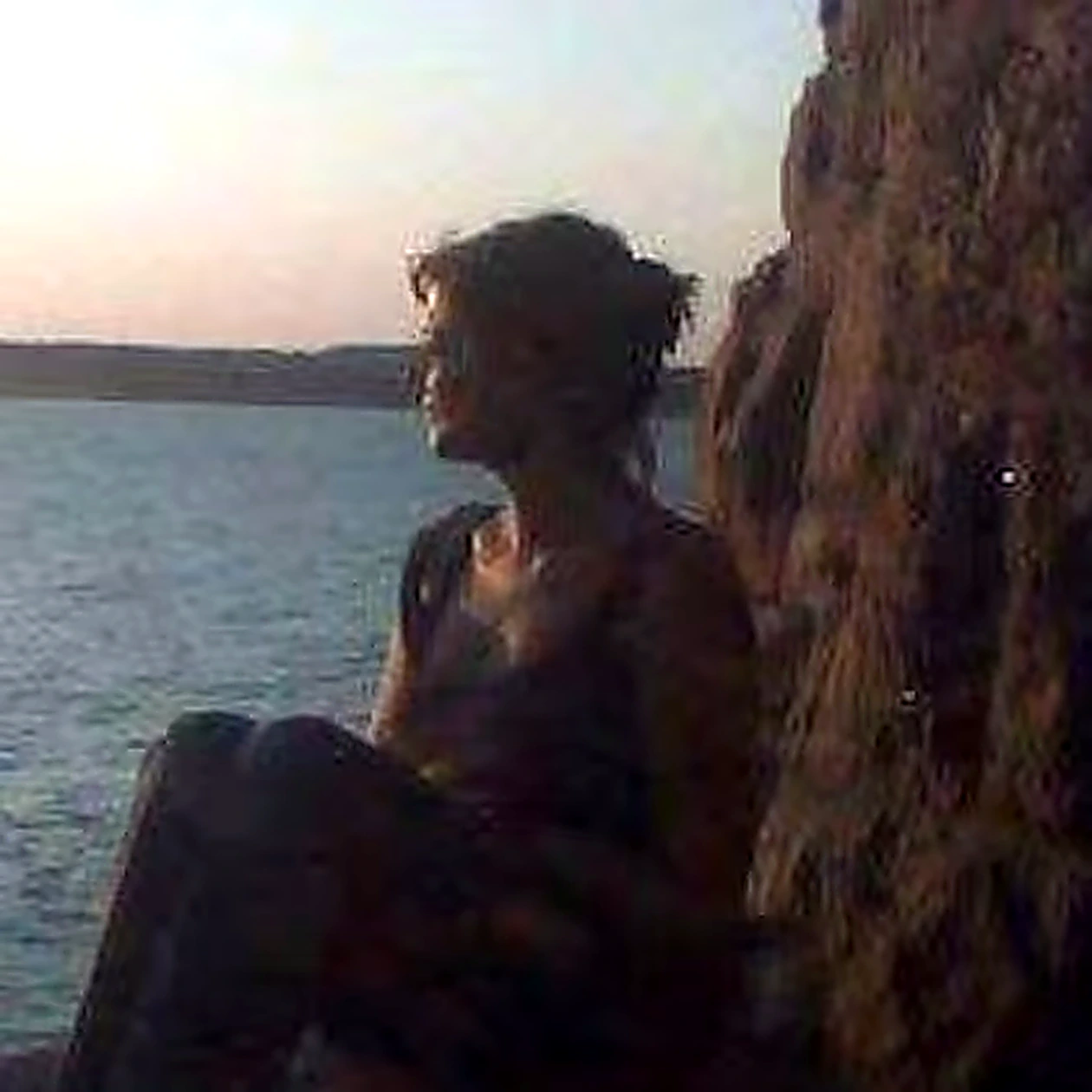
Kim Toner sitting on the rocks at sunset.
Kim Toner · photograph by Kristen

The maker

“I make the thing I would want to be given. Then I give most of them away anyway.”

Fifteen years of Kim's work sits behind this catalogue — burp cloths that outlasted three babies, stones wrapped in thread that never survive a coffee table, chairs cut from two boards and no hardware. Every piece is made to order by her hands, in the USA, with a named share of the price going to a named cause.

The promise

No vague causes. No mystery percentages.

Every piece carries two things printed right on it: the exact percentage that goes to giving, and the exact organization that receives it. Buy a lace stone and 25% goes to anti-trafficking work. Buy a plank chair and 20% goes to veterans. You will always know which one you funded.

The whole catalogue

Everything, including what does not exist yet.

Aromatherapy, meditation, crystals, oracle decks, sound, the Ask the Ancients work, the Remote Viewing Lab, plus every piece, pattern, kit and licence. Concepts are labelled as concepts — they are here so you can see the range, not so anyone buys a thing that has not been made.

Every picture on this strip is a concept render of the range, not a photograph of a finished piece. Tap one to filter the catalogue.

Loading the catalogue…

From Kim's table — the archive

Four photographs that no product matches yet.

These are Kim's own photographs of finished work. Nothing in the catalogue honestly describes them yet, so they are shown here rather than pinned onto a listing they are not a picture of. If one of them is a product, it gets a listing.

Buy it, make it, learn it, teach it

Thirty-eight classes, taught small and live.

Every class can carry four revenue layers: the seat itself, the materials kit, the downloadable guide, and a licence for somebody else to teach it. Aromatherapy, meditation and crystal study are all in here.

Live & virtual

Three days, one building, everybody making something.

Modelled on the multi-day anti-trafficking events churches already run well: parallel workshop tracks, a main stage, and a room full of people who leave with a finished thing in their hands. Run it yourself under licence and keep the ticket revenue, or take a virtual seat from anywhere.

Before a single ticket is sold

A contracted venue, public liability insurance, a named safeguarding lead, and a written accessibility and refund policy. Anti-trafficking programming is survivor-informed and survivor-paid, uses no victim imagery for fundraising, and no survivor is ever asked to tell their story as the price of admission.

The Corner

A podcast about making the thing, and paying for it.

Kim, a maker, and the part nobody films: what it cost, how long it took, what went wrong at 11pm, and whether it sold. Free to listen. The money comes from one sponsor an episode and from members who want the archive.

Play it to learn it

Three games. They are the actual curriculum.

Not decoration — these teach the three things people get wrong most: what a piece has to cost, how to label a historical claim honestly, and which cause funds what. Playable right here, right now.

Game one

Cost & Price

Score0

Game two

Label the Source

Score0

Game three

Follow the Money

Score0

A learning game, scored on recall. It does not certify competence in any craft, and it never claims a player is qualified to sell, teach or perform paid work.

Five causes

Where the money goes.

Each piece is tied to one cause, not a general pot. The percentage is a share of the sale price — not of profit, which is the number that lets people hide.

Each cause needs a named 501(c)(3) with an EIN listed here before the first sale. Until those names are published, treat these percentages as a stated commitment and not a completed arrangement.

Straight talk

What is true right now, before launch.

This page is a working preview, not an open shop. Here is exactly where things stand, so nobody is surprised later.

The pictures

  • 22 of the 180 products carry a real photograph of Kim's finished work. The other 158 now carry an AI-generated concept image, badged as one on every card, because those pieces have not been made or photographed yet.
  • Every photograph on the site is one of Kim's originals, extracted from the sheets one frame at a time and cleaned up — white balance, exposure and a careful sharpen. Nothing has been stretched to fit; pictures are cropped, never squashed.
  • The skies and the portrait are Kristen's photographs. All 22 product shots are Kim's own finished work. Four more of her photographs are in the archive strip, waiting for the listing they belong to.
  • Every class visual and every collection render is AI-generated and badged as a concept, on the card and on the strip.
  • The gap worth closing first is the knits, the baby things, the keepsakes and the woodwork — pieces Kim has already made that simply have not been photographed.
  • Nothing published shows Kim's children, and nothing will.

The prices

  • Floors are set at $55/hr for Kim plus 45% margin, then the giving share on top.
  • That makes labour-heavy pieces expensive: a 62-hour dress-up trunk floors at $12,000.
  • The margin is real in the digital, licence and event layers, where one more sale costs nothing.
  • No price here has been tested against a buyer yet.

Before the first sale

  • Kim's written permission covering her name, photographs, design ownership and pay.
  • A named 501(c)(3) with an EIN for each of the five causes.
  • Engineering sign-off on the plank chair.
  • Venue, insurance and a safeguarding lead before a summit ticket goes on sale.
  • A checkout. Right now every button is a request, not a purchase.

What we will not say

  • No health, medical or protective claims — not on oils, not on stones, not on sound.
  • No deck predicts outcomes or guarantees divine communication.
  • No AI assistant channels a historical figure or invents a quotation.
  • "Shamanic" is never treated as one universal culture.
  • No AI render presented as a photograph of a real object.

Beyond the shop

The corner is the small part.

The making funds the rest of it: seats for children who could never pay for one, a lease a mother can actually take on, and a way for someone else to build the same thing under their own name.